


jermainebaile4
About jermainebaile4
Up In Arms About Open House?
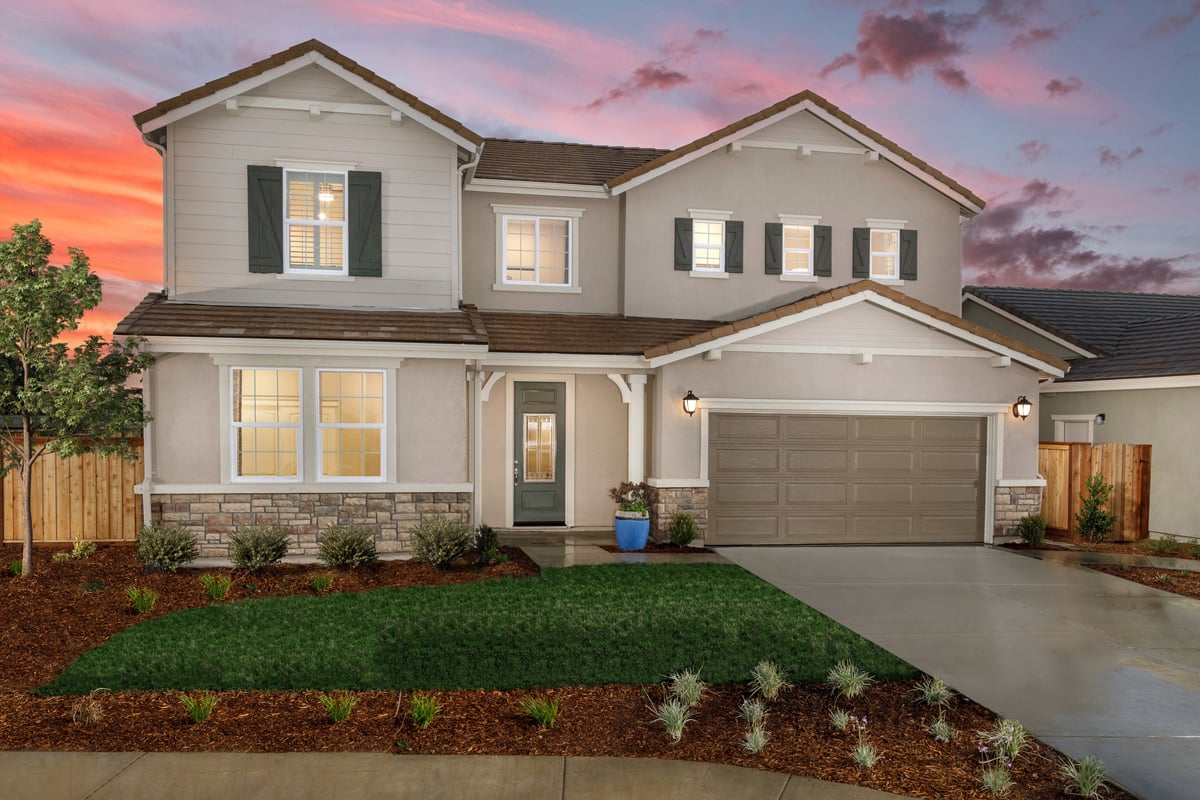 The real estate market does not move in one direction nationwide. It never has. What is happening in Austin is not what is happening in Cleveland. What is true for a three-bedroom in the suburbs of Dallas has almost nothing to do with a two-bedroom in San Francisco. Before you do anything else, narrow your focus to the specific market you are shopping in and stop reading national headlines as if they apply to you personally.
Home prices at the national level have held close to their peaks despite a sharp rise in mortgage rates. The reason is supply. A seller who bought in 2021 at a three percent rate has nowhere affordable to go if they list today, which means the correction that many analysts were expecting simply did not materialize the way the data suggested it should.
 Affordability, by the standard measure of what share of median household income goes toward the monthly payment on a median-priced home, is near its worst level since the early 1980s. That is a real problem, and it is not going away quickly. But affordability being stretched does not mean prices are about to fall sharply. What it means, practically, is that fewer people can compete for each property.
Your credit score affects your rate more directly than most buyers realize. Moving your score up by 40 points before you apply can be worth more than months of rate watching. If your score has room to improve, give yourself three to six months to work on it before you begin in earnest.
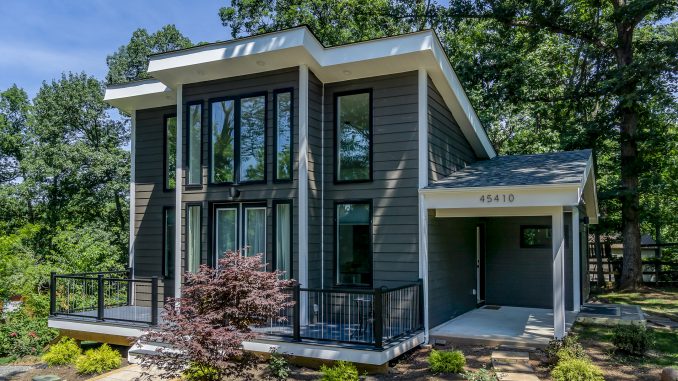 The appraisal is the lender’s check, not yours. When the appraisal comes in below contract, the deal does not automatically die, but it does require a decision. Ask your agent how common appraisal gaps have been in your target price range and neighborhood.
 Budget between two and five percent depending on your loan type and the state you are buying in. First-time buyers routinely underestimate this number. Ask your lender for a Loan Estimate as early in the process as possible.
The timing question, whether to buy now or wait for a better moment, is the one that trips up more buyers than any other single factor. Waiting for the perfect moment is how people end up renting for another five years when they did not mean to. The more useful question is not whether now is the right time in the abstract; it is whether you are buying because the numbers make sense for you, not because you feel social pressure to own.
 Buyers who take the time to research properly tend to find that the market is more navigable than the headlines suggest. Before you commit to a direction, browsing homes for sale and market resources can sharpen your picture of what is actually available in your price range.
No listing found.
